Transforming Everyday Scenes with Minimal Photography
Understanding Minimal Photography
Minimal photography is a style that emphasizes simplicity and focuses on a limited number of elements within the frame. By stripping down a scene to its essential components, photographers can highlight the beauty in everyday objects and environments. This approach challenges both the photographer and the viewer to see beyond the obvious and discover the extraordinary in the ordinary.
The essence of minimal photography lies in its ability to convey a powerful message with minimal elements. Through careful composition and attention to detail, photographers create visually striking images that speak volumes. This style encourages a deeper connection with the subject, allowing viewers to appreciate the subtleties that might otherwise go unnoticed.

Techniques for Capturing Minimalist Scenes
There are several techniques photographers can use to create compelling minimalist images. One effective method is to focus on negative space. By leaving large areas of the frame empty, the subject becomes the focal point, drawing the viewer's eye and creating a sense of calm and simplicity.
Another technique is to use geometric shapes and lines to guide the viewer's eye through the image. By incorporating elements such as leading lines, curves, or repeating patterns, photographers can create a sense of harmony and balance within the composition.

Inspiration from Everyday Scenes
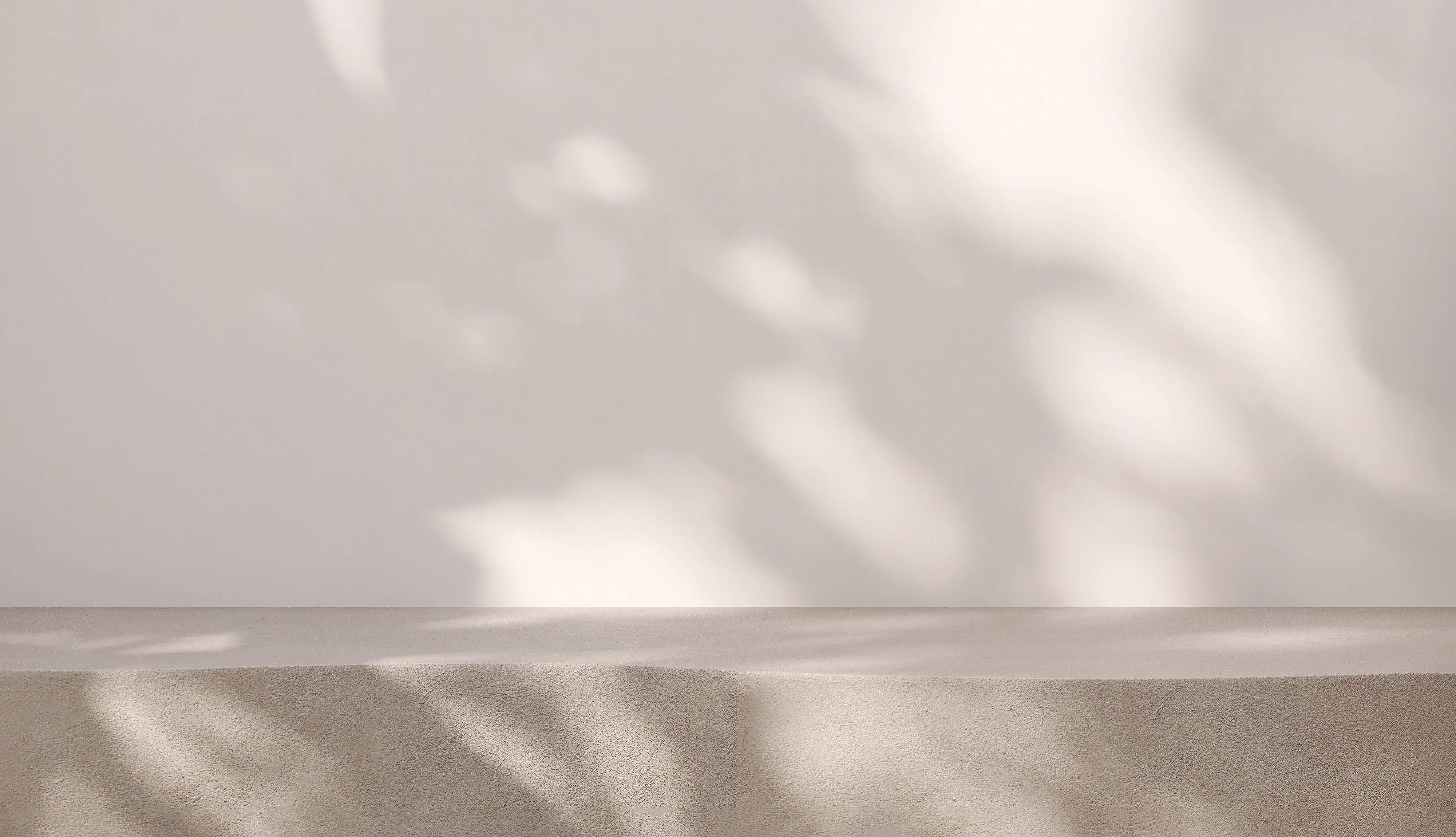
Everyday scenes offer a wealth of opportunities for minimal photography. From the play of light and shadow on a wall to the stark silhouette of a lone tree against the sky, there is beauty to be found in the simplest of moments. By honing their observational skills, photographers can transform mundane scenes into captivating works of art.
Consider the textures and colors that surround you. The peeling paint on an old door, the smooth surface of a calm lake, or the vibrant hues of a sunset can all serve as inspiration for a minimalist composition. By focusing on these details, photographers can create images that evoke emotion and tell a story.
Equipment and Settings
While minimal photography doesn't require specialized equipment, understanding your camera settings can enhance your results. Use a wide aperture to create a shallow depth of field, isolating the subject from its background. Alternatively, a narrow aperture can keep both the foreground and background in focus, emphasizing the relationship between elements.
Experiment with different lenses to achieve the desired effect. A macro lens can capture intricate details up close, while a wide-angle lens can emphasize vast negative space. Regardless of the equipment, the key is to remain focused on capturing the essence of simplicity in each shot.
Editing and Post-Processing
Post-processing plays a crucial role in minimal photography. By adjusting contrast, saturation, and exposure, photographers can enhance the core elements of their images. Cropping can also help eliminate distractions, further simplifying the composition.
When editing, aim to maintain the integrity of the scene while highlighting its essential features. The goal is to enhance the natural beauty of the image without overcomplicating it. Subtle adjustments can make a significant difference, transforming a good photograph into a great one.

Sharing Your Minimalist Vision
Once you've captured and edited your minimal photographs, sharing them with a wider audience can be incredibly rewarding. Social media platforms, photography blogs, and online galleries provide excellent opportunities to showcase your work and connect with other enthusiasts.
Engage with the community by sharing your insights and learning from others. Participate in challenges or collaborations to further develop your skills. By sharing your unique perspective, you contribute to the growing appreciation of minimal photography and inspire others to explore this captivating style.