The Language of Color: Understanding Its Grammar
The Power of Color
Color is an integral part of our daily lives, influencing our emotions, decisions, and perceptions. The language of color is both complex and fascinating, with each hue carrying its own set of meanings and associations. Understanding this "grammar" can enhance communication, design, and branding efforts.
Colors can evoke emotions, convey messages, and even alter our moods. For example, blue often symbolizes calmness and trust, while red can evoke passion or urgency. By learning the language of color, we can effectively harness its power to communicate more effectively.
The Basics of Color Theory
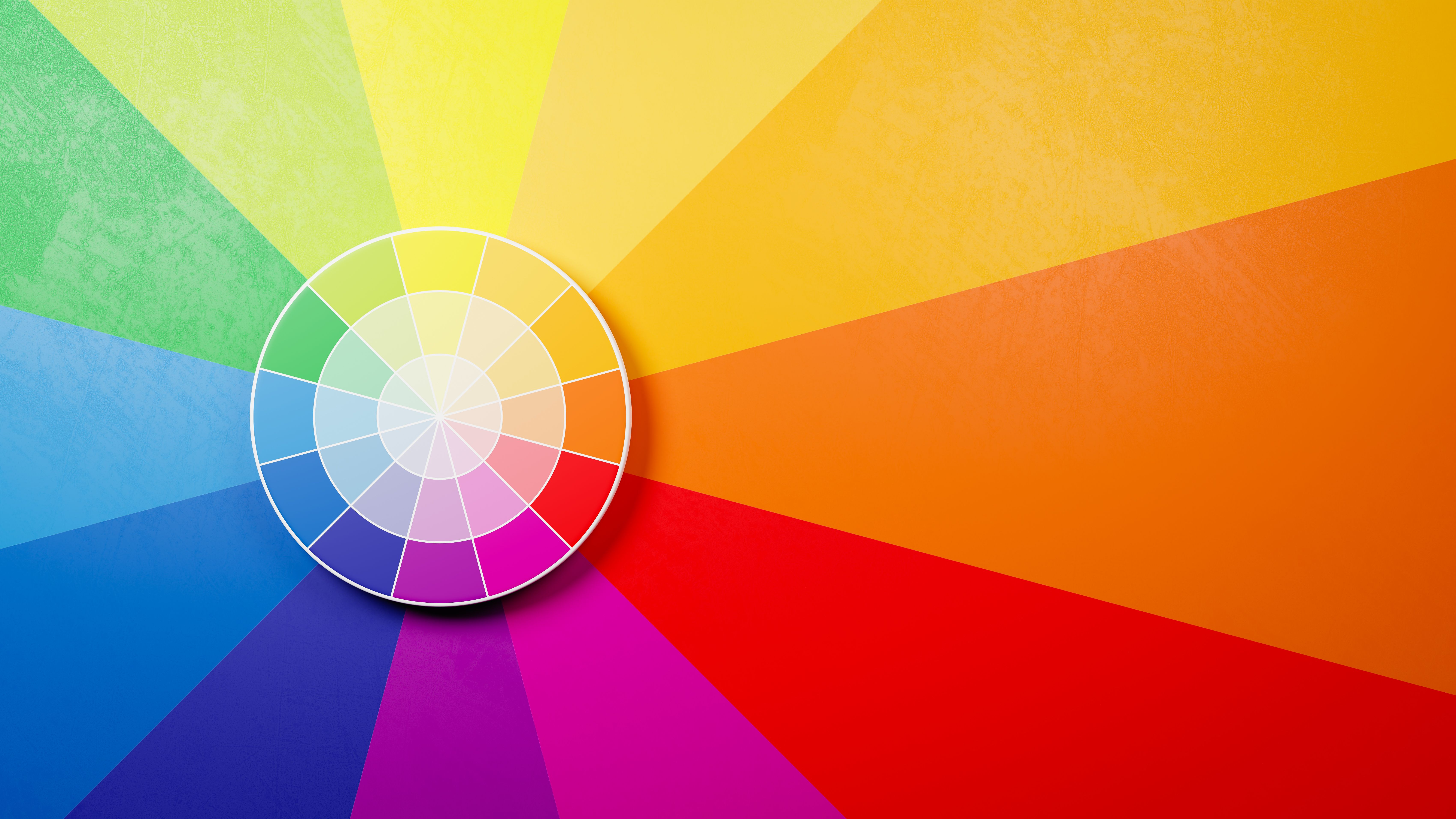
Color theory is the foundation of understanding how colors interact. It involves the color wheel, which shows the relationships between primary, secondary, and tertiary colors. Primary colors—red, blue, and yellow—cannot be created by mixing other colors. Secondary colors, such as green, orange, and purple, are formed by mixing primary colors.
Complementary colors are opposite each other on the color wheel and create a vibrant look when used together. Analogous colors, located next to each other, offer a more harmonious and serene effect. Mastering these basics is essential for anyone looking to use color effectively.
The Psychology of Color
The psychological impact of color is profound. Colors can influence perceptions and behaviors. For instance, restaurants often use red to stimulate appetite, while hospitals might use green for its calming effects. Understanding these psychological associations can be crucial in marketing, interior design, and even fashion.
Here's a quick overview of some common color associations:
- Red: Passion, urgency, excitement
- Blue: Trust, calmness, professionalism
- Green: Nature, tranquility, health
- Yellow: Optimism, energy, warmth
- Purple: Luxury, creativity, mystery

Color in Branding and Marketing
In branding, color is a powerful tool. It can create strong brand recognition and convey the essence of a brand's personality. Think about iconic brands like Coca-Cola, which uses red to evoke excitement and energy, or Facebook, which uses blue to build trust and connection.
Brands often conduct extensive research to choose the perfect color palette that aligns with their values and resonates with their target audience. This careful selection can significantly impact consumer behavior and brand loyalty.
Color Trends and Cultural Differences
While some color meanings are universal, others vary across cultures. For example, white is often associated with purity in Western cultures but can symbolize mourning in some Eastern cultures. Being aware of these differences is important for global marketing strategies.
Color trends also evolve over time, influenced by fashion, technology, and cultural shifts. Staying updated with these trends can be beneficial for designers and marketers looking to keep their work fresh and relevant.

Conclusion: Embracing the Language of Color
Understanding the language of color is an invaluable skill in various fields, from art and design to marketing and psychology. By mastering the grammar of color, we can communicate more effectively, evoke desired emotions, and create meaningful connections with our audience.
Whether you're designing a logo, decorating a space, or crafting a marketing campaign, remember that color is a powerful language that speaks volumes. Embrace it, and let it enhance your creative endeavors.