The Craft of Creating Minimalist Artworks: From Vision to Print
Understanding Minimalist Art
Minimalist art is a genre that emphasizes simplicity and the use of basic elements to create impactful pieces. By stripping away the unnecessary, minimalist artists focus on the essential aspects of form, color, and space. This approach allows both the artist and the viewer to engage more deeply with the work, uncovering layers of meaning in the apparent simplicity.
One of the core principles of minimalist art is to eliminate clutter and focus on a singular idea or theme. This can be achieved through the use of clean lines, monochromatic palettes, and geometric shapes. The result is artwork that is both aesthetically pleasing and intellectually stimulating.
The Creative Process
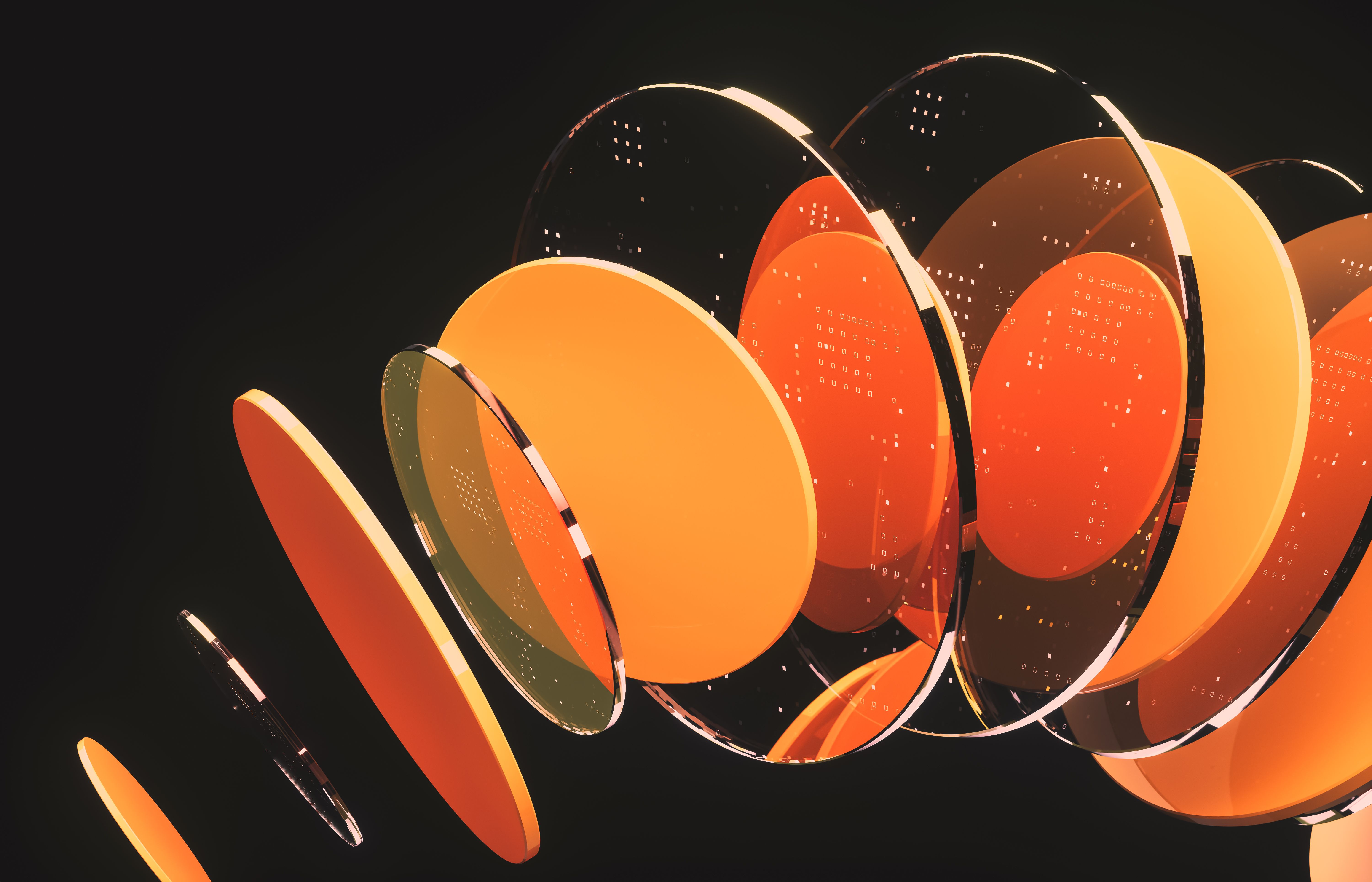
Creating minimalist artwork begins with a clear vision. Artists often start by conceptualizing their ideas through sketches or mental imagery. This stage is crucial as it forms the foundation of the entire piece. The vision should be clear yet flexible enough to adapt during the creative process.
Once the concept is solidified, artists select their materials carefully. The choice of medium, whether it's paint, sculpture, or digital, significantly impacts the final outcome. Minimalist artists often favor materials that complement their vision, such as canvas, metal, or digital tools.
Design and Composition
The design phase involves arranging the chosen elements in a way that conveys the intended message. Balance and harmony are key here. Artists use negative space strategically to enhance the focal points of their work. This careful consideration of space and composition allows the artwork to breathe and invites viewers to explore its depths.
The Role of Color
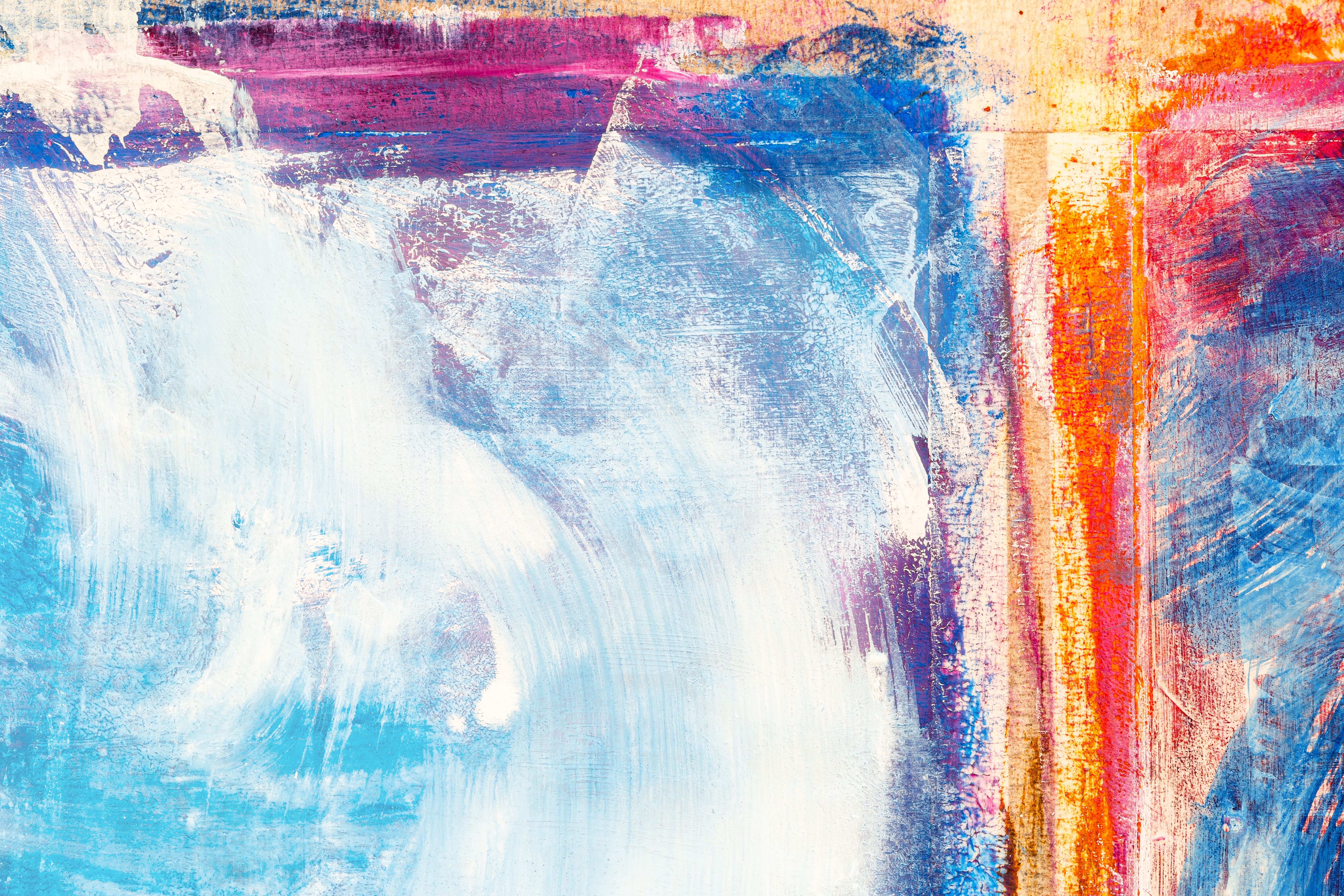
Color plays a crucial role in minimalist art. Often limited to a few shades, color is used to evoke emotion and highlight specific aspects of the piece. A monochromatic scheme might emphasize serenity and focus, while bold contrasts can inject energy and tension.
Minimalist artists must be deliberate in their color choices, ensuring that each hue serves a purpose in the overall composition. This can involve experimenting with different palettes until the perfect balance is achieved.
From Canvas to Print
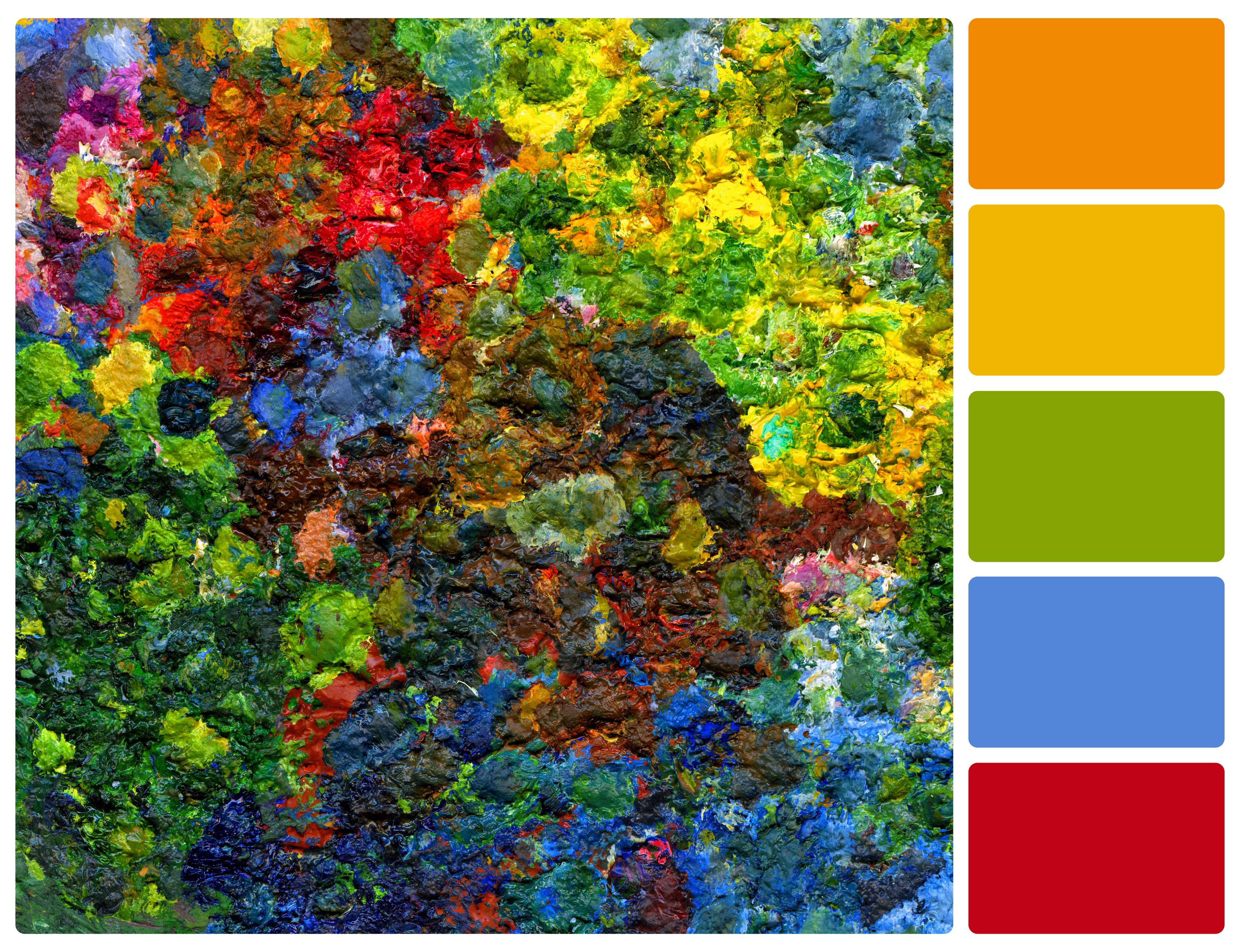
Once the artwork is complete, the transition from canvas to print is another important step. This process involves translating the piece into a format suitable for reproduction, ensuring that the essence of the original is maintained. High-quality printing techniques are essential to preserve the integrity of colors and details.
Artists might work with professional printers or use specialized software to create prints that reflect the original's nuances. This step is crucial for making the artwork accessible to a wider audience without compromising its minimalist essence.
Sharing Minimalist Art
After printing, the final stage is sharing the artwork with the world. Minimalist art often finds its home in galleries, exhibitions, and online platforms. Each venue offers a different way to engage with the audience, allowing the simplicity and profundity of the work to resonate with viewers.
By understanding the craft of creating minimalist artworks, artists can develop pieces that are not only visually striking but also deeply meaningful. The journey from vision to print is one of thoughtful consideration and artistic expression, resulting in works that continue to inspire and provoke thought.