Mastering the Silent Geometry: Techniques for Minimalist Photography
Understanding Minimalist Photography
Minimalist photography is an art form that focuses on simplicity, emphasizing the essential elements of a scene. It requires a keen eye for detail and a deep understanding of composition. By stripping away distractions, photographers can highlight the beauty of shapes, colors, and textures.
The goal is to create a sense of peace and clarity. This style often involves using negative space to draw attention to the subject. Mastering minimalist photography means learning to see the world through a lens of simplicity.
The Importance of Composition
Composition is key in minimalist photography. The rule of thirds, leading lines, and symmetry are just a few techniques that can enhance your images. By placing the subject in a strategic position, you can guide the viewer's eye and create a more engaging photo.
Experiment with different angles and perspectives to discover what works best for your subject. Remember, the fewer distractions in the frame, the more powerful your composition will be.

Utilizing Negative Space
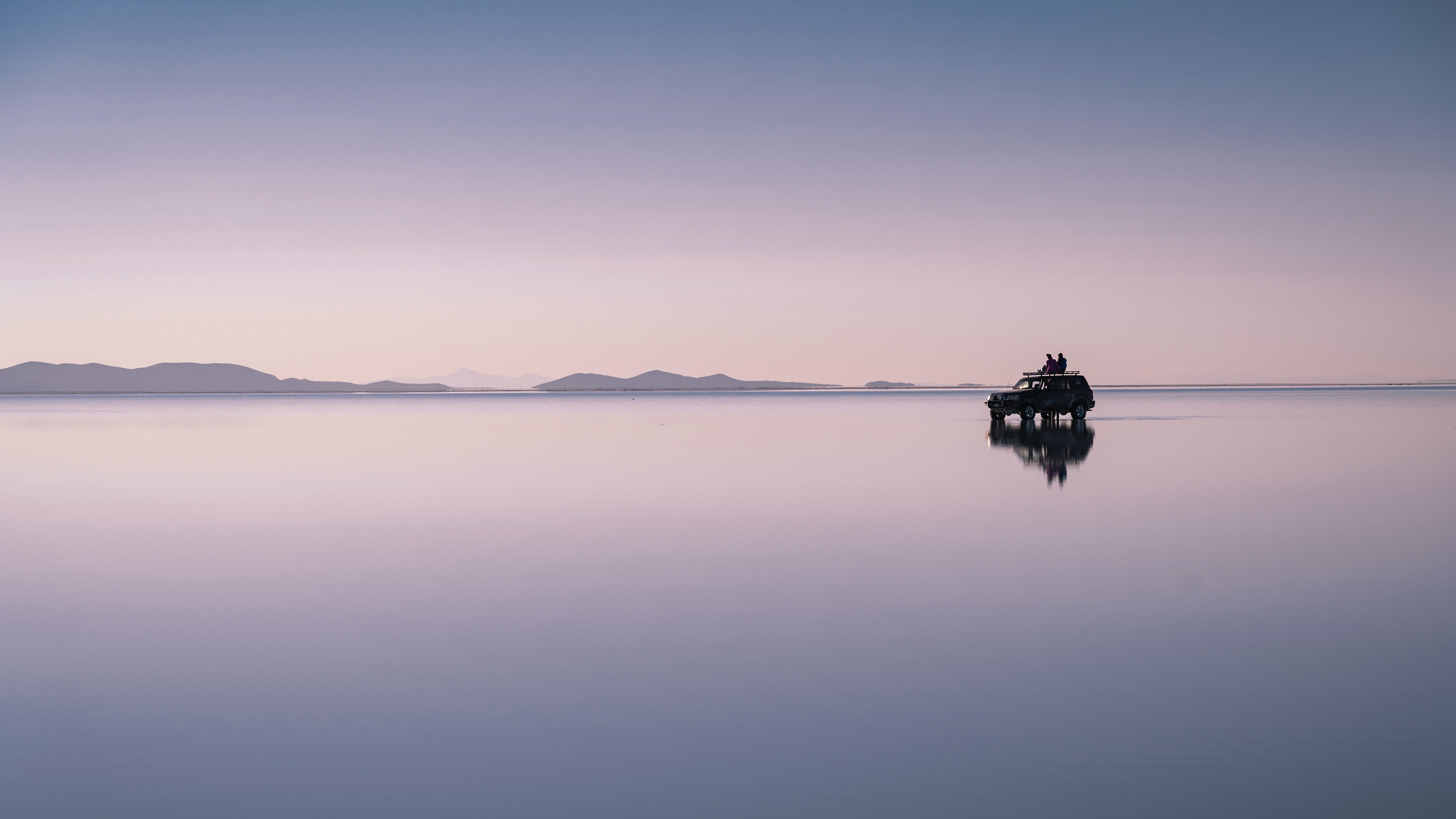
Negative space is a powerful tool in minimalist photography. It refers to the empty or open space around the subject. By incorporating negative space, you can create a sense of balance and focus.
Consider the impact of a vast sky, a blank wall, or an open field. These elements can help emphasize the subject and evoke emotion. Use negative space to craft a compelling narrative within your photograph.
Choosing the Right Subject
In minimalist photography, the subject is often singular and isolated. Look for objects or scenes that have a strong visual presence. Architectural structures, natural formations, and everyday objects can all serve as excellent subjects.
Focus on elements that have distinct shapes or colors. This will allow them to stand out against a simplified background, making your photographs more striking.

Mastering Light and Shadow
Light and shadow play a crucial role in minimalist photography. The way light interacts with your subject can add depth and dimension. Experiment with different lighting conditions, such as early morning or late afternoon, to capture unique effects.
Shadows can also be used creatively to add contrast and interest. They can help define shapes and add a sense of drama to your images.
Post-Processing Techniques
While shooting is an integral part of the process, post-processing can enhance your minimalist photos. Use editing tools to adjust exposure, contrast, and color balance. This can help refine the simplicity and focus of your images.
Consider converting your photos to black and white for a timeless look. This can further emphasize shapes and patterns, removing any distractions that color may introduce.

Developing Your Unique Style
As with any art form, developing a unique style is important in minimalist photography. Explore different subjects, compositions, and techniques to find what resonates with you.
Study the works of renowned minimalist photographers for inspiration, but always strive to infuse your personality into your work. Over time, you'll develop a signature style that reflects your vision and creativity.