Mastering Minimalist Photography: Essential Tips and Techniques
Understanding Minimalist Photography
Minimalist photography is an art form that emphasizes simplicity and focuses on the essentials. By reducing elements within the frame, photographers can create striking images that convey powerful messages. This approach encourages viewers to see beauty in simplicity and find meaning in sparse compositions.
At its core, minimalist photography is about conveying a concept or emotion with minimal visual elements. This often involves careful consideration of composition, color, and negative space. The goal is to create a balanced and harmonious image that speaks volumes with less.

Embrace Negative Space
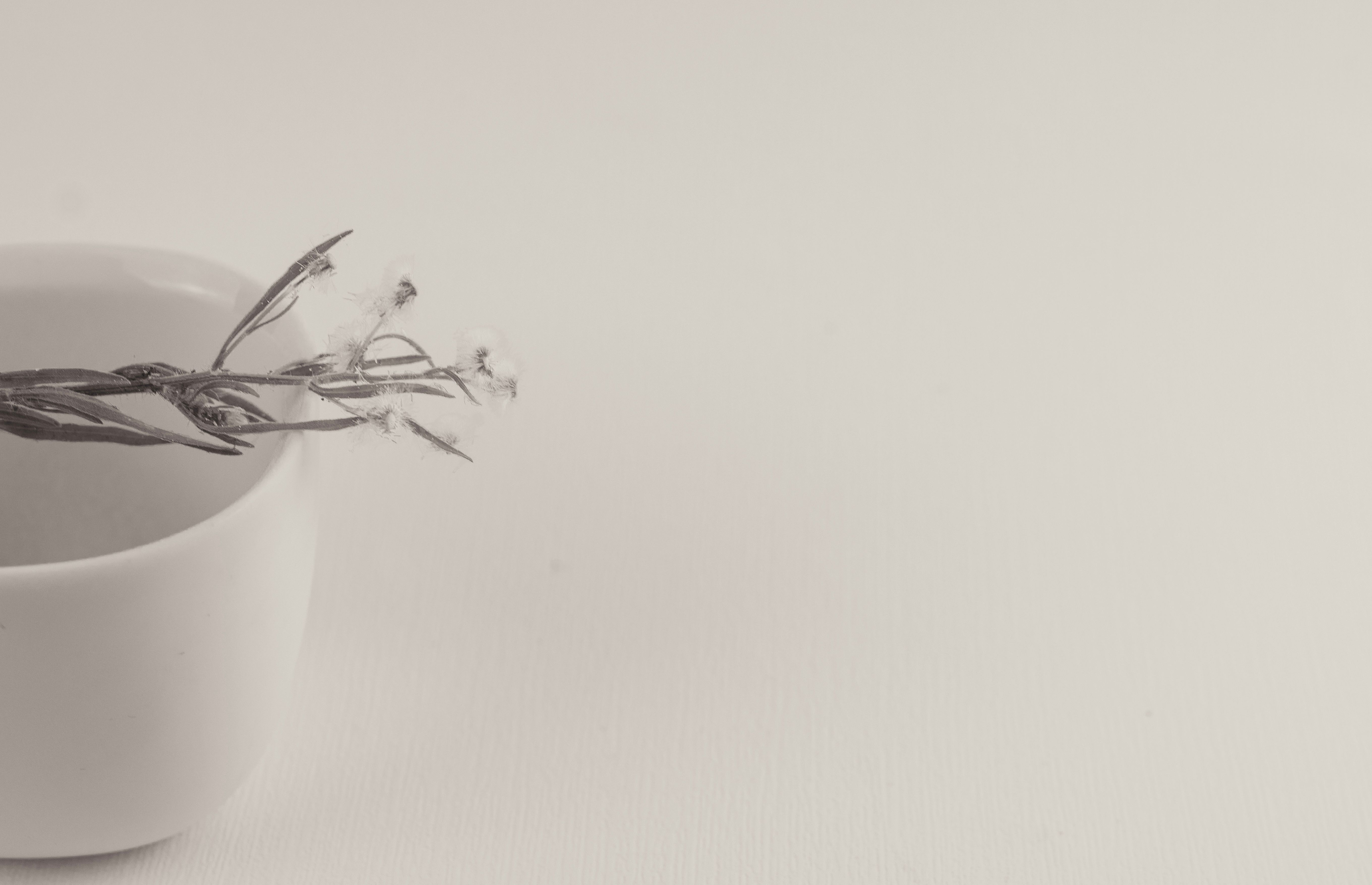
Negative space is a crucial element in minimalist photography. It refers to the empty or open space surrounding the main subject of the image. By incorporating generous amounts of negative space, photographers can draw attention to the subject and evoke a sense of calm and focus.
When using negative space, think about how it interacts with the subject. It should complement and enhance the subject, creating a visual balance. Experimenting with different amounts of negative space can lead to unique and compelling compositions.
Choosing the Right Subject
In minimalist photography, the subject should be simple yet compelling. Look for subjects with strong shapes, lines, or colors that stand out against a plain background. Common choices include architecture, landscapes, and everyday objects.
Consider how the subject interacts with the environment. A lone tree in a vast field or a single bird against a clear sky can create a powerful image by emphasizing isolation and simplicity.
Mastering Composition
Composition plays a vital role in minimalist photography. The arrangement of elements within the frame can make or break an image. Use the rule of thirds to place the subject off-center, creating a more dynamic and engaging composition.
Leading lines and symmetry can also enhance minimalist images. These compositional techniques guide the viewer's eye and add structure to the photograph. Experiment with different angles and perspectives to find the most effective composition.
Utilizing Color and Contrast
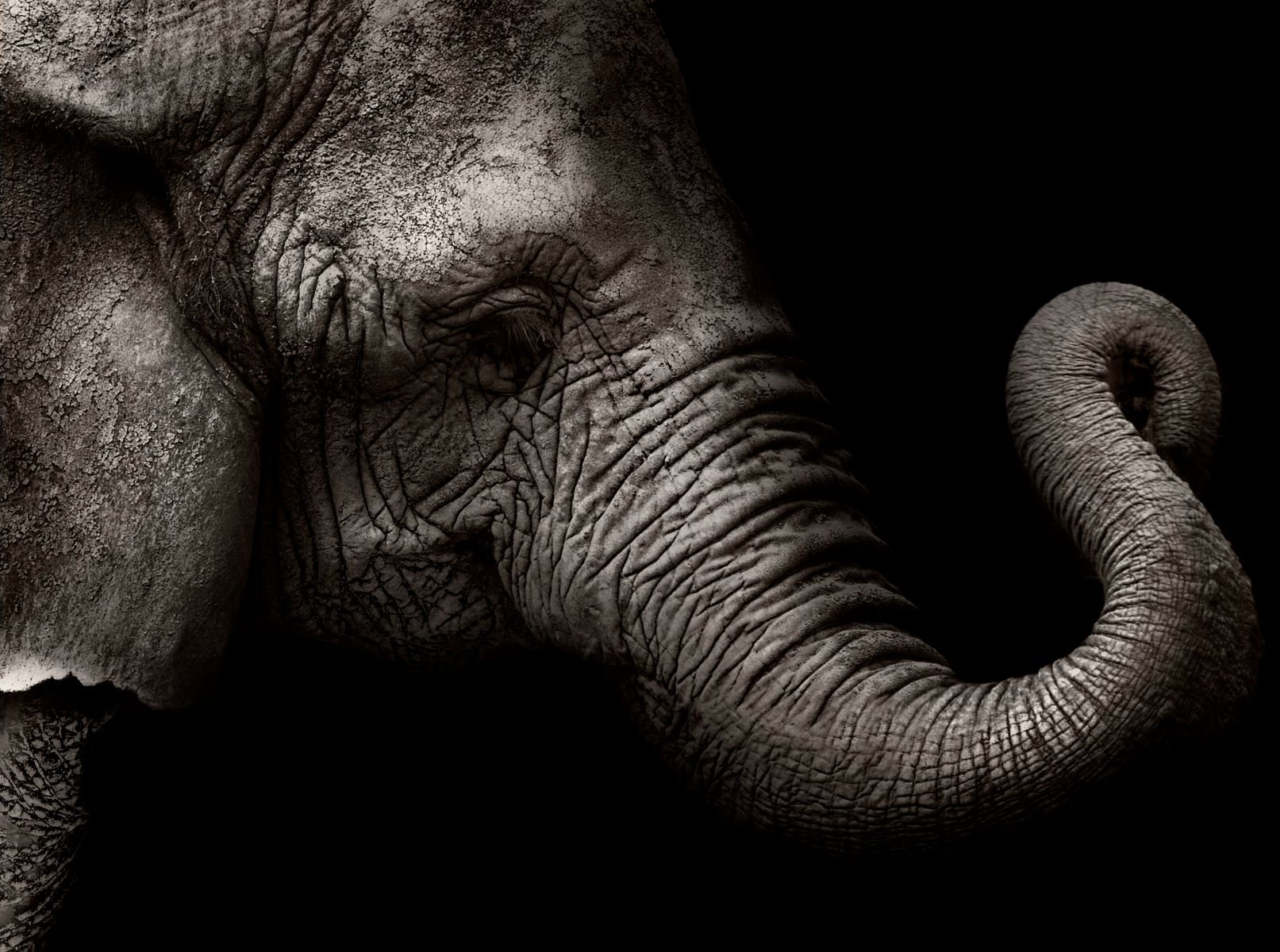
Color and contrast are powerful tools in minimalist photography. A limited color palette can simplify the image and add emotional impact. Consider using complementary colors to create visual interest or opting for monochrome for a timeless feel.
High contrast between the subject and background can make elements pop and add depth to the photograph. Play with shadows and highlights to emphasize textures and shapes, enhancing the minimalist aesthetic.
Editing for Minimalism
Post-processing is an essential step in achieving the minimalist look. Editing software allows photographers to refine their images by adjusting exposure, contrast, and color. Cropping is also useful for removing distractions and enhancing the composition.
While editing, aim to maintain the simplicity and clarity of the image. Avoid over-processing, which can detract from the minimalist style. Subtle adjustments can enhance the overall impact without overwhelming the viewer.
Practicing Patience and Observation
Mastering minimalist photography requires patience and keen observation. Take the time to explore your surroundings and notice details that might be overlooked. Often, the most captivating minimalist images come from everyday scenes.
Practice regularly and experiment with different techniques to develop your unique style. By refining your skills and understanding the nuances of minimalist photography, you can create images that captivate and inspire.