Illuminating the Subject: Exploring Light in Photography
Understanding the Role of Light in Photography
Light is the essence of photography. Without it, capturing images would be impossible. Understanding how to manipulate and use light effectively can transform ordinary shots into extraordinary ones. Whether you're a beginner or a seasoned photographer, mastering light is crucial to elevating your work.

Types of Lighting
There are several types of lighting that photographers use to create different effects. Natural light, such as sunlight, offers a dynamic range of possibilities. It can be soft and diffused during sunrise or sunset, or harsh and direct at noon. Artificial lighting, such as studio lights or lamps, provides more control and consistency.
When considering artificial lighting, photographers often use tools like softboxes and reflectors to shape and direct light. These tools help in achieving the desired intensity and mood in a photograph.
Key Lighting Techniques
Several techniques are pivotal in photography. The "Golden Hour," which occurs shortly after sunrise and before sunset, is renowned for its soft, warm hues. This period provides an ideal setting for capturing stunning landscapes and portraits.
Another technique, "Backlighting," involves placing the light source behind the subject. This creates silhouettes and highlights, adding depth and intrigue to images. Experimenting with different angles and intensities can lead to unique artistic expressions.

The Impact of Shadows
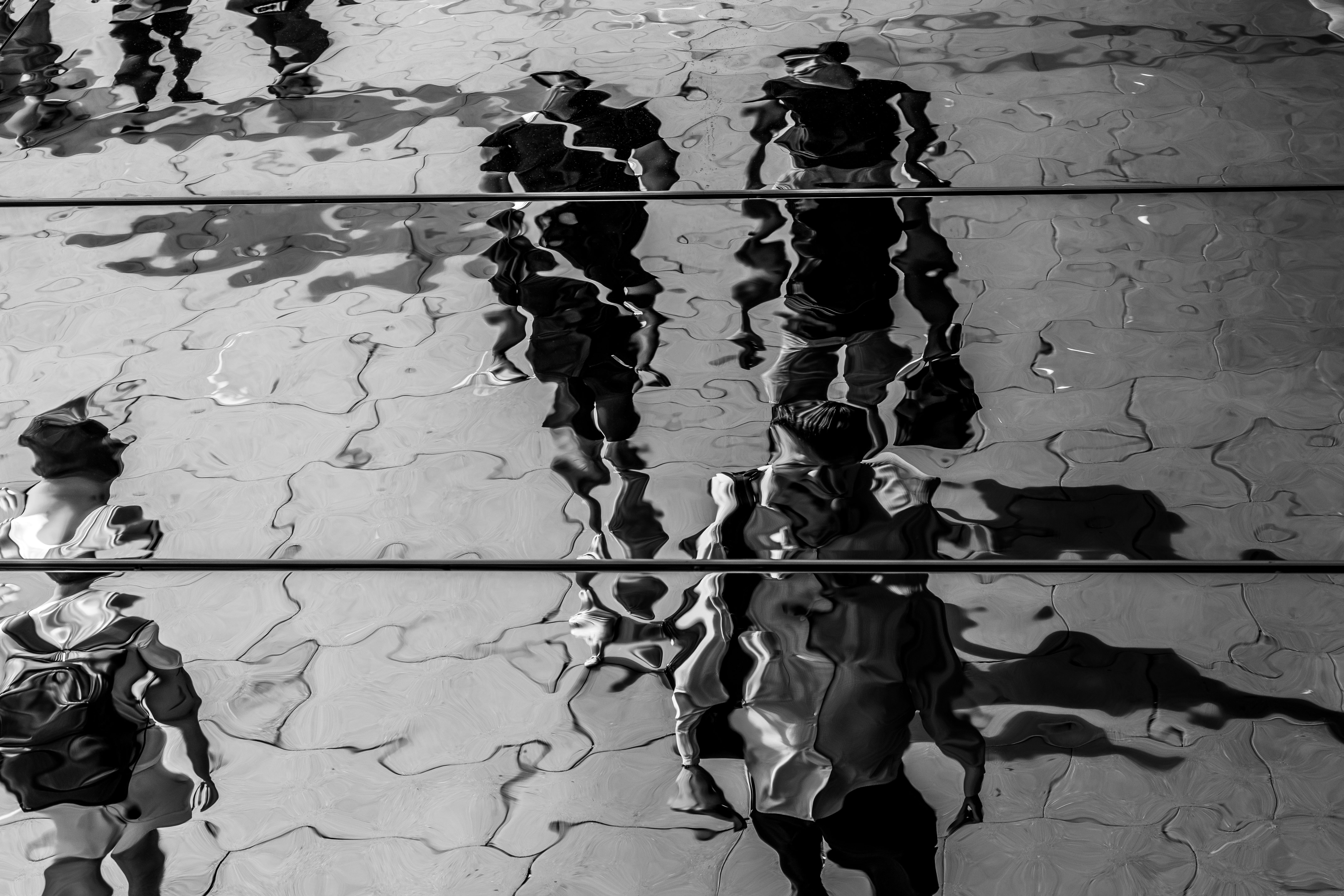
Shadows play a significant role in photography. They add dimension, contrast, and texture to images. Understanding how to balance light and shadow can enhance the composition and storytelling of an image. Shadows can create drama and mystery, making them a powerful tool in a photographer's arsenal.
By adjusting the position of the light source, photographers can manipulate shadows to achieve the desired effect. This control allows for creativity and experimentation in various settings.
Practical Tips for Mastering Light
To harness the power of light effectively, consider the following tips:
- Observe natural light throughout the day and notice how it changes.
- Experiment with different light sources and angles to understand their impact.
- Use reflectors to bounce light and fill in shadows.
- Practice shooting in various lighting conditions to improve versatility.
Conclusion
Exploring light in photography is a journey of discovery and creativity. By understanding the nuances of different lighting conditions and techniques, photographers can unlock new dimensions in their work. Whether shooting in natural or artificial light, the key lies in experimentation and practice. Embrace the challenge, and let light guide your photographic endeavors.