Icons of Minimalist Photography
Understanding Minimalist Photography
Minimalist photography is a captivating style that emphasizes simplicity and the power of composition. By focusing on minimal elements, photographers can create images that are both striking and serene. This style strips away distractions, allowing the viewer to engage deeply with the subject and the space it occupies.
The Essence of Minimalism
At its core, minimalist photography is about finding beauty in simplicity. This approach encourages photographers to pare down elements and concentrate on the essentials. Negative space plays a crucial role, often highlighting the subject by contrasting it with its surroundings.
Colors, lines, and shapes are often used to create a sense of calm and order. By reducing clutter, the photographer directs the viewer’s attention to the subject, allowing for a more intimate connection.
Icons of the Minimalist Movement
Several photographers have become iconic figures within the minimalist photography movement. Their work has inspired countless others to explore this unique style. Below, we highlight a few key figures whose contributions have been particularly influential.
Michael Kenna
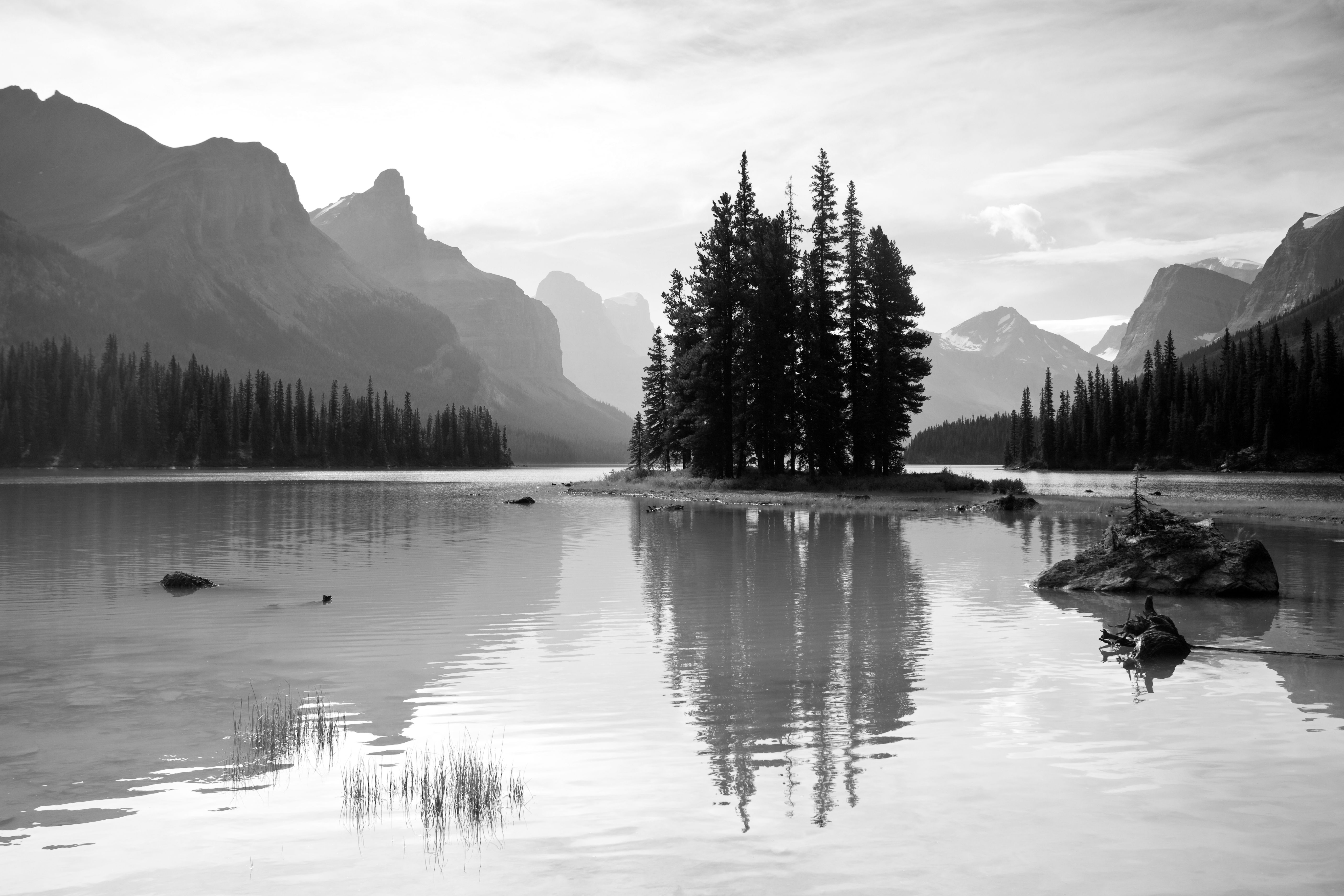
Michael Kenna is renowned for his black-and-white landscapes that capture the tranquility and simplicity of nature. His work often features long exposure times, creating a dreamlike quality that enhances the minimalist aesthetic. Kenna's ability to convey emotion through simplicity has solidified his status as a master of minimalist photography.
Hiroshi Sugimoto
Hiroshi Sugimoto’s work explores the relationship between time and space. His minimalist seascapes and architectural photography are celebrated for their elegance and precision. Sugimoto's images evoke a sense of timelessness, inviting viewers to contemplate the infinite.
Techniques and Tips for Minimalist Photography
To succeed in minimalist photography, attention to detail is crucial. Here are some techniques that can help:
- Simplify the Scene: Focus on a single subject and eliminate unnecessary elements.
- Use Negative Space: Allow ample space around the subject to create balance.
- Experiment with Composition: Try different angles and perspectives to find the most compelling composition.
Embrace Natural Light
Lighting is a fundamental aspect of minimalist photography. Natural light, in particular, can add depth and texture to an image. Experimenting with the time of day and weather conditions can lead to unique results that enhance the minimalist feel.

Conclusion
Minimalist photography is a timeless art form that challenges photographers to see the world differently. By focusing on simplicity, this style encourages creativity and introspection. Whether you're an aspiring photographer or an admirer of the art, exploring the works of minimalist icons can provide endless inspiration.