Embracing Visual Silence in Art and Design
Understanding Visual Silence
In a world saturated with visual stimuli, the concept of visual silence emerges as a refreshing approach in art and design. This minimalist aesthetic focuses on the power of simplicity, creating spaces and visuals that allow the viewer to breathe, think, and reflect. Visual silence is not about the absence of elements but rather the thoughtful selection and placement of them.
Artists and designers who embrace this concept aim to reduce the noise and clutter that often overwhelm our senses. By doing so, they create an environment where each element has its own space and significance, encouraging a deeper connection with the viewer.
The Power of Minimalism
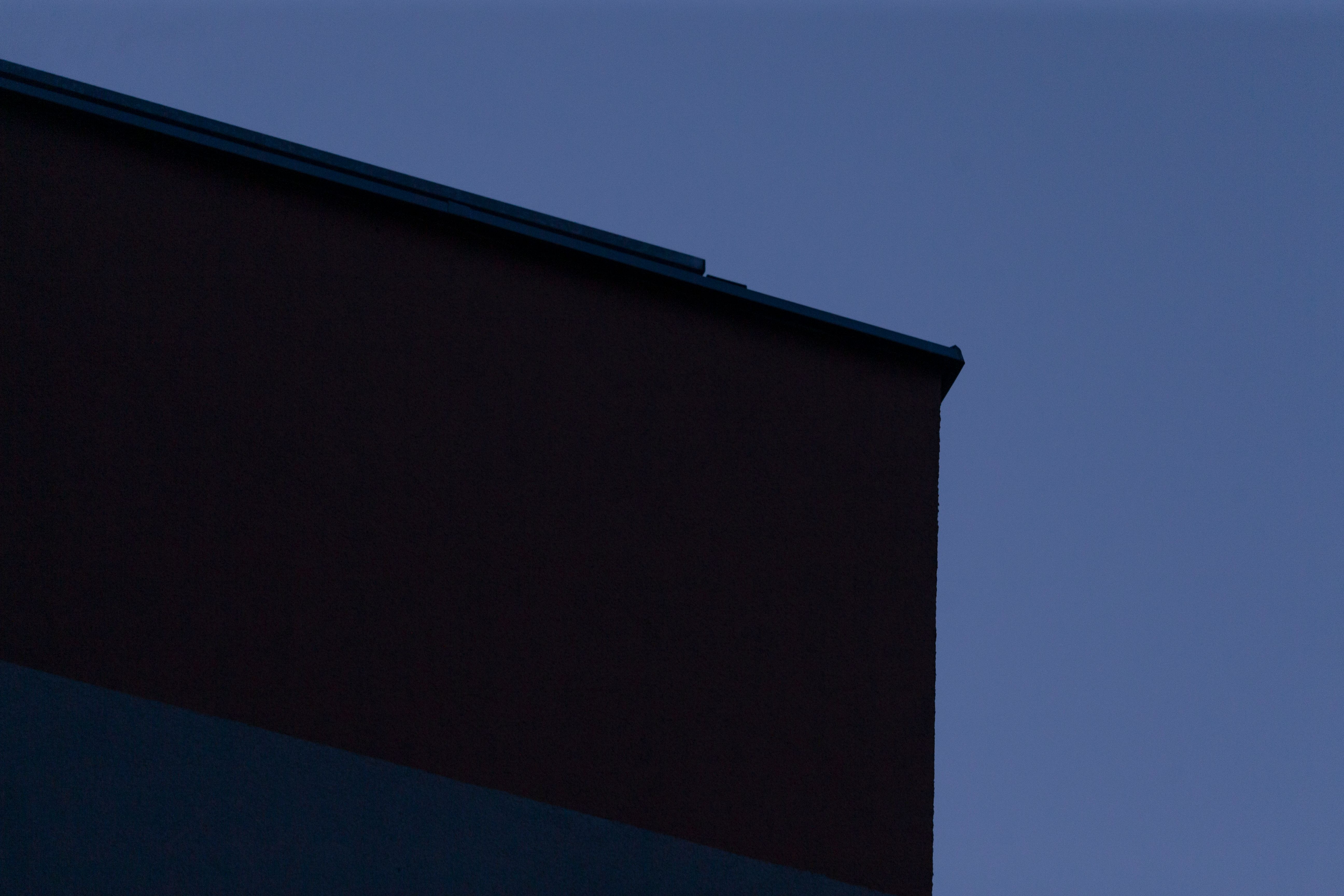
Minimalism is a key component of visual silence, stripping down to the essentials without sacrificing impact. This approach often employs a limited color palette, simple shapes, and clean lines. The result is a design that feels both modern and timeless.
Incorporating minimalism into design not only enhances aesthetic appeal but also improves functionality. By reducing unnecessary elements, designers can guide the viewer's focus to what truly matters. This intentional clarity is what makes visual silence so powerful.
Benefits of Visual Silence
- Enhanced Focus: Less clutter allows for greater concentration on the main subject.
- Emotional Impact: Simplicity can evoke strong emotional responses.
- Timeless Appeal: Minimalist designs often remain relevant over time.

Incorporating Visual Silence in Art
Artists who incorporate visual silence into their work often rely on negative space, which is the area around and between subjects. This space is as important as the subjects themselves, providing balance and harmony.
Using a restrained color palette, artists can highlight subtle nuances and textures that might otherwise go unnoticed. This approach invites viewers to engage more thoughtfully with the artwork, appreciating the details and the overall composition.
Examples of Visual Silence in Art
- Abstract Art: Simplified forms and limited color schemes focus on emotion and concept.
- Landscape Paintings: Open spaces and minimal details create a sense of calm and expansiveness.
- Still Life: Focusing on a few objects allows for deep exploration of form and shadow.
Designing with Visual Silence
In design, visual silence can be achieved through the strategic use of typography, color, and layout. By choosing fonts that are easy to read and using ample white space, designers can create a sense of calm and order. The careful selection of color can also convey mood and tone without overwhelming the viewer.
Layouts that embrace visual silence often feature a clear hierarchy, guiding the viewer’s eye naturally through the content. This not only enhances readability but also ensures that the message is delivered effectively.
Practical Tips for Designers
- Use White Space: It’s an essential component of visual silence, providing breathing room for elements.
- Limit Color Palette: Stick to a few complementary colors for a cohesive look.
- Focus on Quality: Select elements that serve a purpose and contribute to the overall design.

Conclusion
Embracing visual silence in art and design offers a counterbalance to the chaos of everyday life. By focusing on simplicity and intentionality, artists and designers can create works that are not only visually appealing but also emotionally resonant. As we continue to navigate a world filled with noise, the quiet elegance of visual silence remains a powerful and enduring approach.